Why Kids Should Learn CPR for Emergencies

In a world where emergencies can happen at any moment, knowing how to perform CPR (Cardiopulmonary Resuscitation) can be a lifesaver. While adults often take the lead in emergency situations, teaching children CPR equips them with essential skills that can make a significant difference. This blog post explores the importance of teaching kids CPR, the skills they will learn, and how it can empower them to act confidently in emergencies.

Understanding CPR and Its Importance
CPR is a lifesaving technique used in emergencies when someone's heartbeat or breathing has stopped. It involves a combination of chest compressions and rescue breaths to maintain blood flow and oxygenation until professional help arrives.
Why Kids Should Learn CPR
Empowerment: Teaching children CPR gives them the confidence to act in emergencies. They learn that they can make a difference, which can be incredibly empowering.
Increased Awareness: Kids who learn CPR become more aware of their surroundings and the importance of safety. They understand the significance of acting quickly in emergencies.
Lifesaving Skills: The skills learned in CPR training can save lives. Children may encounter situations where they can help a friend, family member, or even a stranger.
Community Responsibility: By learning CPR, kids become responsible members of their community. They understand the importance of helping others and contributing to the safety of those around them.
Building Resilience: Learning CPR teaches children how to stay calm under pressure. This resilience can be beneficial in various life situations beyond emergencies.
What Kids Will Learn in CPR Training
When children participate in CPR training, they will learn several essential skills:
Basic CPR Techniques
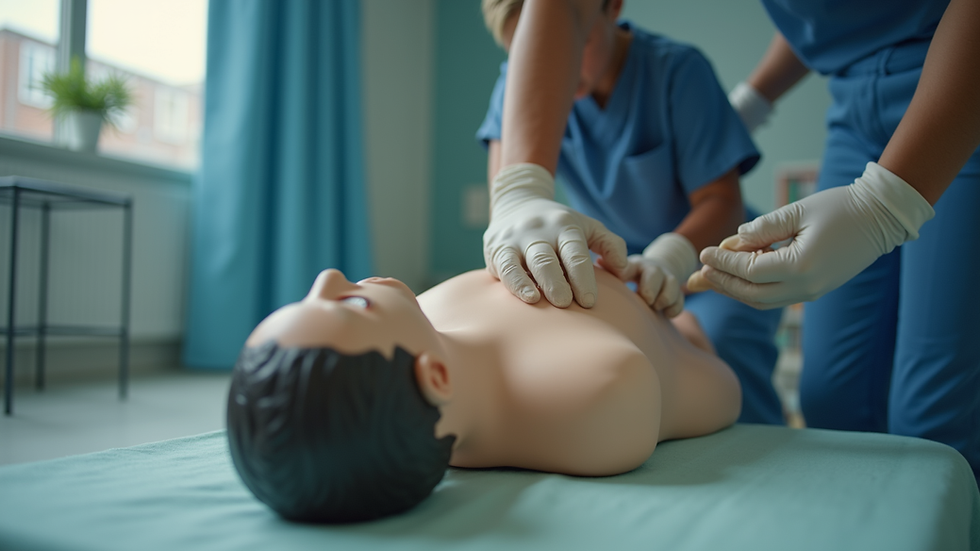
Chest Compressions: Kids will learn how to perform effective chest compressions, which are crucial for maintaining blood circulation.
Rescue Breaths: They will also learn how to give rescue breaths, ensuring that oxygen reaches the lungs.
Using an AED
Automated External Defibrillator (AED): Children will be introduced to AEDs, devices that can analyze heart rhythms and deliver shocks if necessary. Knowing how to use an AED can be critical in emergencies.
Recognizing Emergencies
Identifying Emergencies: Kids will learn how to recognize when someone needs help and the importance of calling for professional assistance.
Teamwork and Communication
Working Together: CPR training often involves teamwork. Kids learn how to communicate effectively in emergencies, ensuring that everyone knows their role.
How to Get Kids Involved in CPR Training
Enroll in Classes
Many organizations offer CPR classes specifically designed for children. Look for local community centers, schools, or organizations like the American Red Cross that provide age-appropriate training.
Use Online Resources
There are numerous online resources and videos that can introduce kids to CPR concepts. While these should not replace formal training, they can serve as a helpful supplement.
Practice Regularly
Encourage kids to practice CPR techniques regularly. This can be done through family drills or by participating in community events that promote CPR awareness.
Make It Fun
Incorporate games and challenges into the learning process. For example, set up scenarios where kids can practice their skills in a fun and engaging way.
Real-Life Scenarios Where CPR Can Make a Difference
Home Emergencies
Imagine a scenario where a sibling suddenly collapses at home. A child trained in CPR can quickly assess the situation, call for help, and begin administering CPR until an adult arrives.
School Situations
In a school setting, a classmate may experience a medical emergency. A child with CPR training can step in, potentially saving a life while waiting for emergency services.
Community Events
At community events, such as sports games or fairs, emergencies can occur. Kids who know CPR can assist in these situations, providing immediate help to those in need.
The Role of Parents and Guardians
Encouragement
Parents play a crucial role in encouraging their children to learn CPR. Discuss the importance of these skills and how they can make a difference in emergencies.
Participation
Consider taking CPR classes together as a family. This not only reinforces the skills learned but also strengthens family bonds through shared experiences.
Support
Support your child's interest in CPR by providing resources, such as books or videos, and encouraging them to practice regularly.
Conclusion
Teaching kids CPR is not just about imparting knowledge; it is about empowering them to take action in emergencies. By learning these vital skills, children can become confident, responsible individuals who are ready to help others when it matters most.
Encourage your child to participate in CPR training today. You never know when their skills might save a life.

Comments