Essential CPR Training for Adults and Infants

Cardiopulmonary resuscitation (CPR) is a lifesaving technique that can be the difference between life and death in emergency situations. Whether it’s an adult experiencing a cardiac arrest or an infant choking, knowing how to perform CPR can empower you to act swiftly and effectively. In this blog post, we will explore the importance of CPR training, the techniques involved for both adults and infants, and how you can get certified.

Understanding CPR
CPR is a combination of chest compressions and rescue breaths designed to maintain blood flow and oxygenation to the brain and other vital organs when someone's heart stops beating. The technique is crucial in emergencies such as heart attacks, drowning, or choking incidents.
Why CPR Training is Essential
Saves Lives: Statistics show that immediate CPR can double or even triple a victim's chance of survival. According to the American Heart Association, nearly 350,000 cardiac arrests occur outside of hospitals each year in the United States, and most of these happen in homes.
Increases Confidence: Knowing how to perform CPR can give you the confidence to act in an emergency. Many people hesitate to help due to fear of doing something wrong. Training helps alleviate these fears.
Community Preparedness: When more people are trained in CPR, communities become safer. A well-prepared community can respond effectively to emergencies, reducing the overall impact of such incidents.
CPR Techniques for Adults
Adult CPR Steps
Assess the Situation: Ensure the scene is safe. Check for responsiveness by tapping the person and shouting, “Are you okay?”
Call for Help: If the person is unresponsive, call 911 or ask someone else to do so.
Check for Breathing: Look for normal breathing. If the person is not breathing or only gasping, begin CPR.
Chest Compressions:
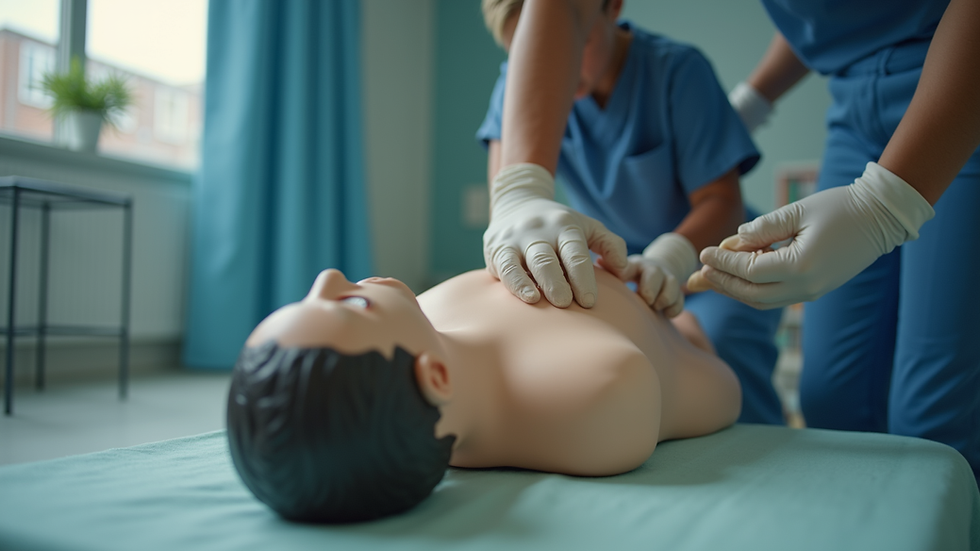
Place the heel of one hand on the center of the chest and the other hand on top.
Keep your arms straight and use your body weight to compress the chest at least 2 inches deep at a rate of 100 to 120 compressions per minute.
Rescue Breaths:
After 30 compressions, give 2 rescue breaths.
Tilt the head back slightly, pinch the nose shut, and create a seal over the mouth. Give each breath for about 1 second, watching for the chest to rise.
Continue the Cycle: Repeat the cycle of 30 compressions and 2 breaths until emergency services arrive or the person shows signs of life.
Important Considerations
Hands-Only CPR: If you are untrained or uncomfortable giving rescue breaths, you can perform hands-only CPR, which involves continuous chest compressions without breaths.
Use of AED: If an Automated External Defibrillator (AED) is available, use it as soon as possible. Follow the device's voice prompts.
CPR Techniques for Infants
Infant CPR differs significantly from adult CPR due to the size and fragility of infants. Here’s how to perform CPR on a child under one year old.
Infant CPR Steps
Assess the Situation: Ensure the area is safe. Check if the infant is responsive by tapping their foot.
Call for Help: If the infant is unresponsive, call 911 or ask someone else to do so.
Check for Breathing: Look for normal breathing. If the infant is not breathing or only gasping, begin CPR.
Chest Compressions:
Use two fingers to compress the center of the chest just below the nipple line.
Compress about 1.5 inches deep at a rate of 100 to 120 compressions per minute.
Rescue Breaths:
After 30 compressions, give 2 rescue breaths.
Cover the infant's mouth and nose with your mouth, creating a seal. Give each breath for about 1 second, watching for the chest to rise.
Continue the Cycle: Repeat the cycle of 30 compressions and 2 breaths until emergency services arrive or the infant shows signs of life.
Important Considerations
Choking: If the infant is choking and cannot breathe, perform back blows and chest thrusts. Hold the infant face down on your forearm and deliver five firm back blows between the shoulder blades. If that doesn’t work, turn the infant face up and give five chest thrusts.
Getting CPR Certified
While knowing the basics of CPR is essential, getting certified can enhance your skills and knowledge. Here’s how to get started:
Find a Course: Look for CPR courses offered by organizations like the American Heart Association or the Red Cross. Many community centers, hospitals, and workplaces also offer training.
Choose the Right Course: Select a course that fits your needs. Some courses focus on adult CPR, while others cover both adult and infant CPR.
Hands-On Practice: Ensure the course includes hands-on practice with CPR dummies. This practical experience is crucial for building confidence.
Stay Updated: CPR guidelines can change, so it’s important to refresh your skills regularly. Many organizations recommend recertification every two years.
Conclusion
CPR training is a vital skill that everyone should possess. Whether you are helping an adult in cardiac arrest or an infant in distress, knowing how to perform CPR can save lives. By getting trained and certified, you not only equip yourself with the knowledge to act in emergencies but also contribute to a safer community. Take the first step today—find a CPR course near you and become a lifesaver.

Comments